
Gut Healing 101: How to Start Healing Your Gut naturally (Even If You Don’t Know What’s Wrong Yet)

pexels.com
Some of the links in this post might be affiliate links. This means that if you click on the link and make a purchase, I’ll receive a small commission – at no extra cost for you, which helps me cover the costs for this blog.If you feel bloated after meals, foggy in your brain, exhausted for no reason, or just off in your body — but don’t know where to start — you’re not alone.
Many people experience daily symptoms like gas, constipation, indigestion, food sensitivities – others might have more general symptoms like fatigue, brain fog, skin conditions like eczema or psoriasis, or mood swings. While some are more obvious than others, you might not realize that these could all be signs of a stressed or disrupted digestive system.
The good news? Your body is built to heal, especially when you give it the right tools and environment. Whether you’ve been diagnosed with IBS, SIBO, leaky gut, gastritis — or you’re still trying to figure things out — this guide is here to help.
These 5 foundational steps are simple, practical, and grounded in science. They’re also the same steps I took when I started healing my own gut, and they can make a big difference no matter where you're beginning.
Not sure what’s actually going on with your gut?
Download my FREE Gut Health Symptom Assessment to identify possible imbalances like IBS, leaky gut, gastritis, or SIBO — and take the proper next steps
Quick Glance: How to Reset Your Gut Naturally
Eat the rainbow (plant diversity = microbial diversity)
Support acid & bile production
Add fermented foods
Probiotics
Nervous system regulation
How to Start Healing Your Gut naturally (Even If You Don’t Know What’s Wrong Yet)
1 - Eat the Rainbow (Diverse Plant-Based Diet)

One of the most effective ways to nourish your gut microbiome is through dietary fiber and plant diversity. Eating a wide range of fruits, vegetables, legumes, and whole grains helps good bacteria thrive. These fibers are fermented into short-chain fatty acids (SCFAs) which reduce inflammation, strengthen the gut lining, and support immune function.
pro tip: try for 30+ different plant foods per week — this could include herbs, spices, nuts, seeds, fruits, and veggies. Smoothies and soups are a great way to get these in!
want recipes?
Looking for real recipes that make getting your plants easy + delicious? Try the 30 Days of Gut-Healthy Soups Recipe Book — packed with goodness in one new recipe for every day of the month!
2 - Support Your Digestive Function (Stomach Acid, Enzymes & Bile)
One of the most overlooked aspects of gut healing is how well your digestive system actually breaks down food. If you're not digesting properly, even the healthiest food can ferment, feed the wrong bacteria, or cause inflammation.
Stomach acid (HCl) helps kill pathogens and break down proteins. If you feel overly full, burp often, or have reflux, you may have low stomach acid. Meanwhile, digestive enzymes help break down fats, carbs, and proteins. These can become depleted from stress, aging, or chronic gut conditions. Bile (produced by your liver and stored in your gallbladder) helps emulsify, or break down, fats and supports microbial balance in the small intestine.
Try these tips to enhance your digestive fire:
Eat slowly and chew thoroughly (digestion starts in the mouth!)
Incorporate bitter foods like arugula, ginger, dandelion root, or lemon before meals
Consider professional-grade digestive bitters or enzyme supplements if needed
Stay upright after eating and avoid drinking large amounts of water with meals
3- Incorporate Fermented Foods
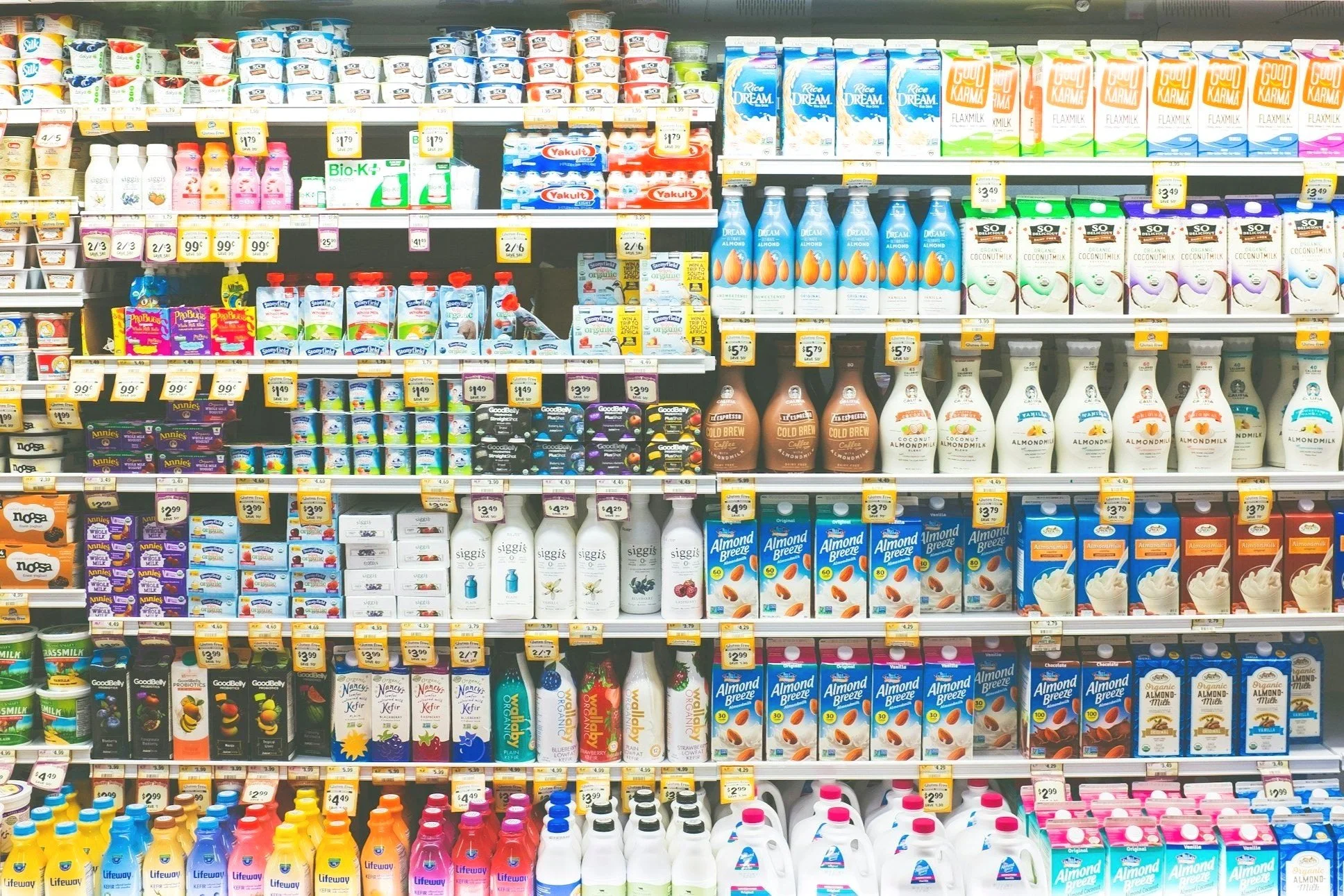
Adding fermented foods like yogurt, kefir, sauerkraut, kimchi, miso, and kombucha introduces natural probiotics into your gut. These foods go through lacto-fermentation, a process in which naturally occurring bacteria break down sugars and produce lactic acid. This creates an environment that encourages the growth of good microbes like Lactobacillus and Bifidobacterium, two key players in digestive and immune health.
Regularly consuming fermented foods can help diversify your microbiome, improve nutrient absorption, reduce inflammation, and support a more balanced gut environment overall. I suggest that you start small to avoid overwhelming your system with bloat. Just a tablespoon of sauerkraut or a few sips of kombucha daily is plenty to begin with!

4- Protect and Rebuild Your Gut Microbiome with “good” microbes
Probiotics can be a powerful starting point for anyone beginning a gut-health reset because they help reintroduce beneficial bacteria that may have been depleted by stress, poor diet, antibiotics, or chronic inflammation. These live microorganisms support a more balanced microbiome, which in turn improves digestion, enhances nutrient absorption, and strengthens the gut barrier.
Probiotics also play a key role in modulating immune function and reducing the overgrowth of harmful bacteria that contribute to bloating, gas, and irregular bowel habits. Fermented foods are a great natural source, a high-quality probiotic supplement can add targeted support, especially in the early stages of healing.
A quick word on antibiotics:
While life-saving when needed, antibiotics kill both bad and good bacteria. Frequent or unnecessary use can wipe out microbial diversity, weaken the gut lining, and leave you vulnerable to pathogens like Candida or C. difficile.
If you’ve recently taken antibiotics (or know you need to), it’s crucial to support your gut with:
Fermented foods like sauerkraut, kimchi, kefir, yogurt, or miso — these introduce naturally occurring probiotics
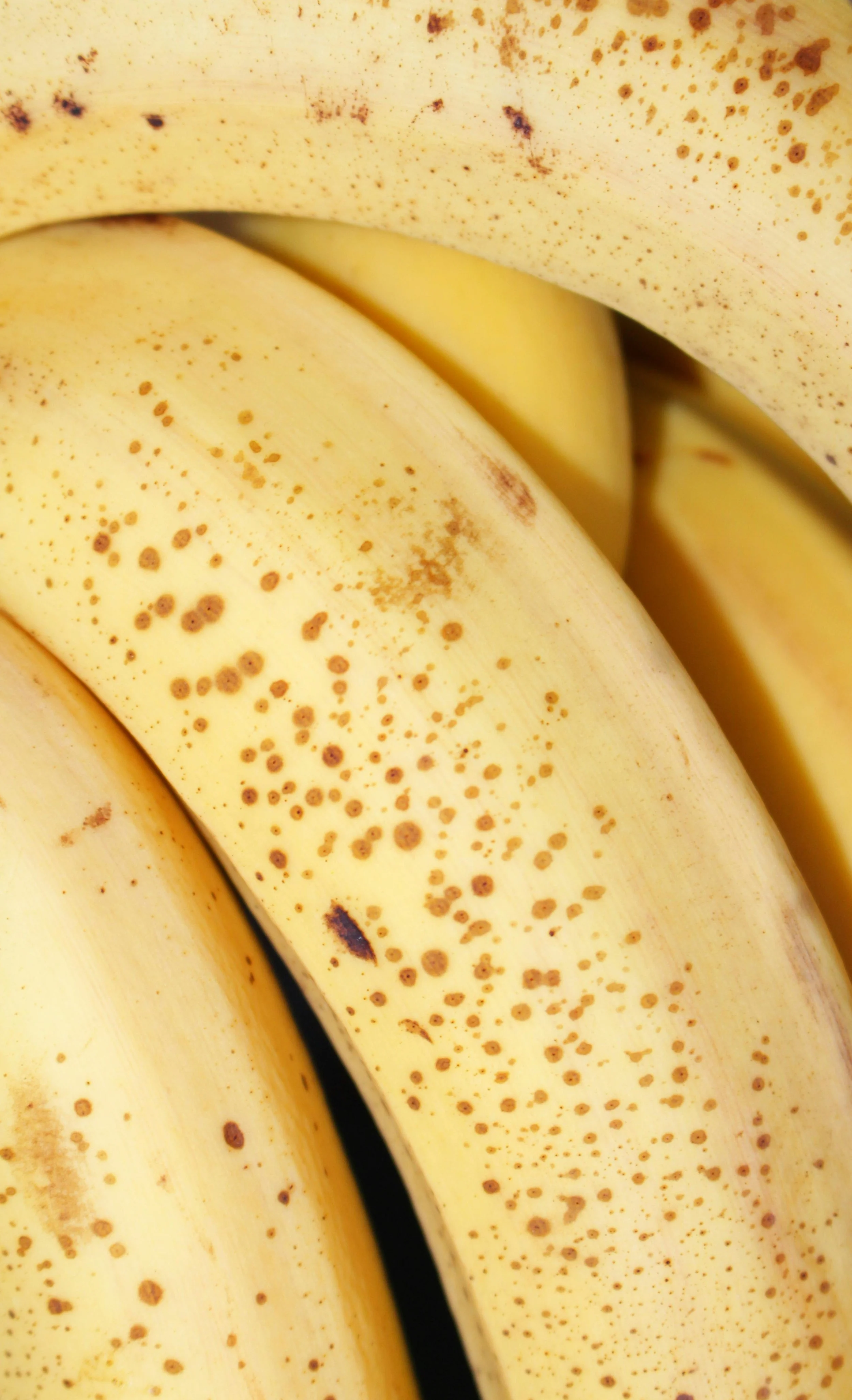
Prebiotic fibers from foods like garlic, onions, leeks, asparagus, bananas, and oats — these feed the good bacteria you already have
High-quality probiotic supplements with diverse strains — helpful after illness, antibiotics, or gut imbalance

5 - Calm Your Nervous System to Heal Your Gut
You can’t heal your digestive system without addressing your nervous system. Through the gut-brain axis, your brain and gut are constantly communicating. Chronic stress can cause inflammation, disrupt digestion, alter motility, and even damage your microbiome.
Conditions like IBS, GERD, colitis, and gastritis are often linked to prolonged nervous system dysregulation.
Practices to support a healthy “rest and digest” response include:
Deep belly breathing or diaphragmatic breathwork
Vagus nerve stimulation (like with devices or cold exposure)
Gentle yoga or stretching
EFT tapping (emotional freedom technique)
Daily walks in nature
Guided meditation or sound therapy
Read more here about this crucial link between the gut and the nervous system below:
BONUS - Track Your Symptoms and Go Slow
Gut healing is rarely linear (nor is any type of healing). What works for one person may not work for another. This is why tracking your symptoms, energy, mood, and reactions can be so helpful.
Start by keeping a daily journal or using a printable symptom tracker to notice patterns in your digestion, skin, sleep, and stress levels. You'll begin to see how food, lifestyle, and emotions all impact your gut.
Get my FREE Gut + Mood Tracker Toolkit to track your symptoms and start uncovering patterns!
final thoughts
My last and final tip may be the most important to remember: If nothing else in this guide brings you relief, even that is a valuable takeaway. For example – if you find yourself reacting to fermented foods and/or probiotics, that may be an indicator to start looking at the possibility of histamine issues that may be present.
Though we may experience undesirable symptoms, we can learn an awful lot just by paying attention and being intentional for dedicated amount of time, and moving forward from there (alongside a medical professional, of course).
Your gut is a dynamic, living system that wants to heal when given the right tools and environment. By focusing on diverse foods, fermented options, mindful supplement use, and emotional regulation, you can start to support your body’s natural ability to restore balance.
Ready to take the next step?
Download my FREE 3-Day Gut Reset Starter Kit with recipes, grocery list, and healing rituals!
Want a full 14-day roadmap with easy, gut-friendly meals?
My 14-Day Gut Reset Recipe Book includes 50+ healing recipes, all designed to calm inflammation and support microbiome diversity.
READ MORE ON THE BLOG
⬇

I am not a medical professional, nor do I claim to be. The information provided is not intended to be a substitute for medical treatment, but for educational purposes only. Please consult your medical care provider before using herbal medicine, particularly if you have a known medical condition or if you are pregnant or nursing.

Warm, healing, and gut-friendly, this digital cookbook is packed with anti-inflammatory, vegan, gluten-free, and refined sugar-free recipes designed to nourish your digestive system. Perfect for soothing symptoms, resetting your gut, and feeling your best naturally.
What’s Inside:
30 clean, gut-healing soup recipes for every mood and season
Nourishing options for leaky gut, gastritis, IBS, + more
Vegan, gluten-free, dairy-free, and refined sugar-free
Anti-inflammatory ingredients to calm digestion and reduce bloat
Includes a printable recipe cards for easy planning
Cozy, nutrient-rich recipes made with real, whole foods
Perfect for meal prep, gut resets, or everyday healing
Digital & printable
FOR EDUCATIONAL & INFORMATIONAL PURPOSES ONLY.