
Prebiotics, Probiotics, and Postbiotics: behind The Holy Trinity

Some of the links in this post might be affiliate links. This means that if you click on the link and make a purchase, I’ll receive a small commission – at no extra cost for you, which helps me cover the costs for this blogWhen it comes to better health, your gut is always a great place to start. Why? Because your gut microbiome — an internal ecosystem of bacteria, fungi, and other microbes — plays a massive role in how you digest food, absorb nutrients, fight off illness, and even manage your mood. In other words, your gut is at the root of a lot.
A balanced gut supports everything from immunity and inflammation regulation to hormone health and emotional resilience. But when that balance is off (a condition called dysbiosis), it can trigger symptoms like bloating, fatigue, brain fog, anxiety, and skin issues, and has even been linked to chronic diseases like diabetes, autoimmunity, and depression.
If you want to support your gut, there are three key players you need to know:
prebiotics, probiotics, and postbiotics.
Think of them as the holy trinity of gut health; each with a unique role, but all working together to build a strong, balanced, and resilient microbiome.
Let’s break it down.
⬇
Prebiotics, Probiotics, and Postbiotics: The Holy Trinity
1 - Prebiotics
Let’s start at the root. Prebiotics are types of fiber your body can’t digest, but your good gut bacteria can. They serve as food for the healthy microbes in your colon, helping them grow, diversify, and do their job more efficiently.
You’ll find prebiotics naturally in foods like:
Garlic and onions
Leeks and asparagus
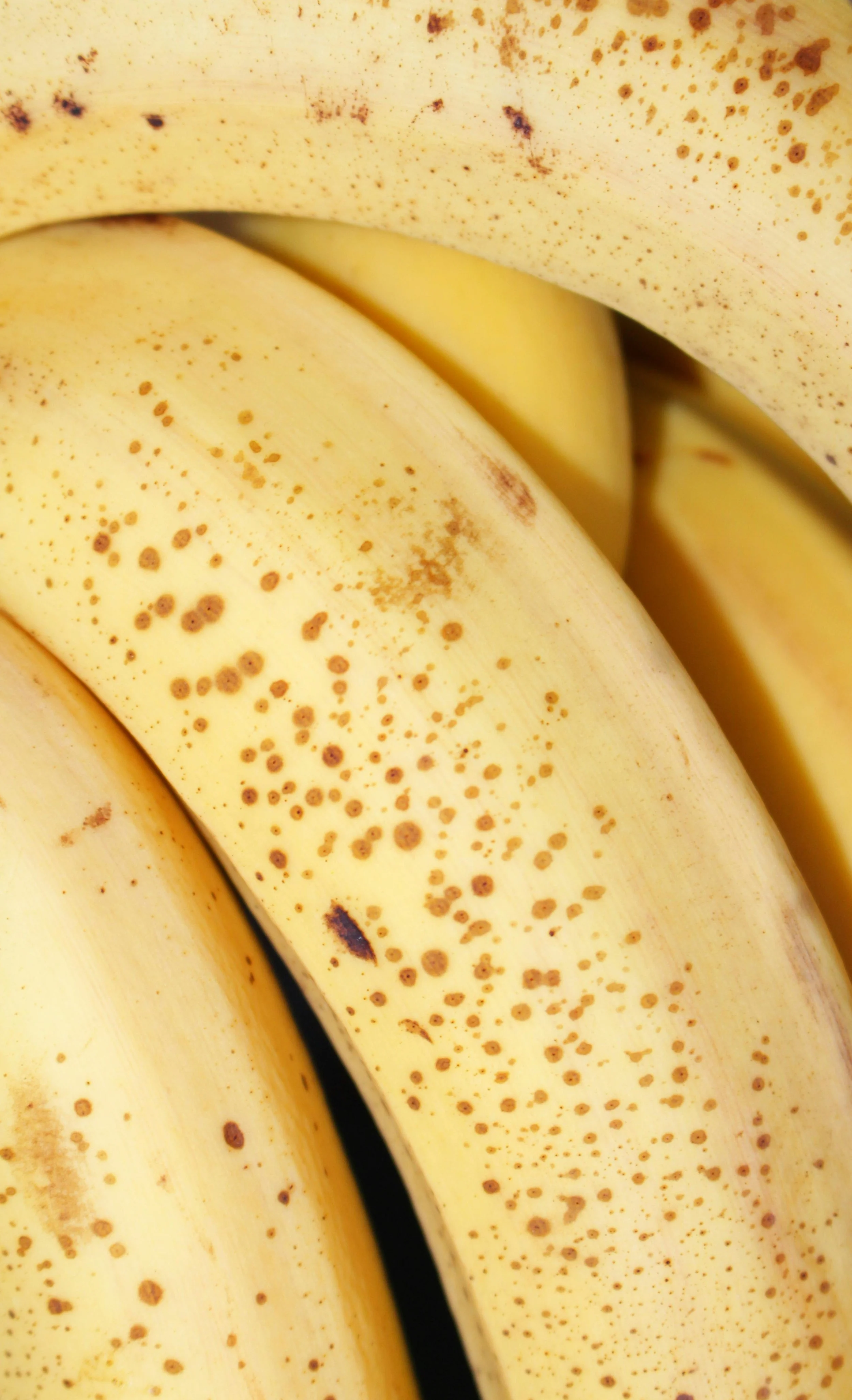
Bananas
Chicory root and Jerusalem artichokes
Oats and flaxseeds
When fermented by gut bacteria, prebiotics produce short-chain fatty acids (SCFAs) — especially butyrate, acetate, and propionate. These SCFAs feed the cells lining your colon (colonocytes), strengthen your gut barrier, reduce inflammation, and support immune balance.
Studies show that a prebiotic-rich diet can help lower the risk of IBS, IBD, colorectal cancer, and leaky gut. And because they support microbial balance from the ground up, prebiotics are the first step in any good gut healing plan.

Not sure if you’re getting enough of the good stuff?
My 14-Day Gut Reset Recipe Book includes 50+ healing recipes, all designed to calm inflammation and support microbiome diversity.
2 - Probiotics
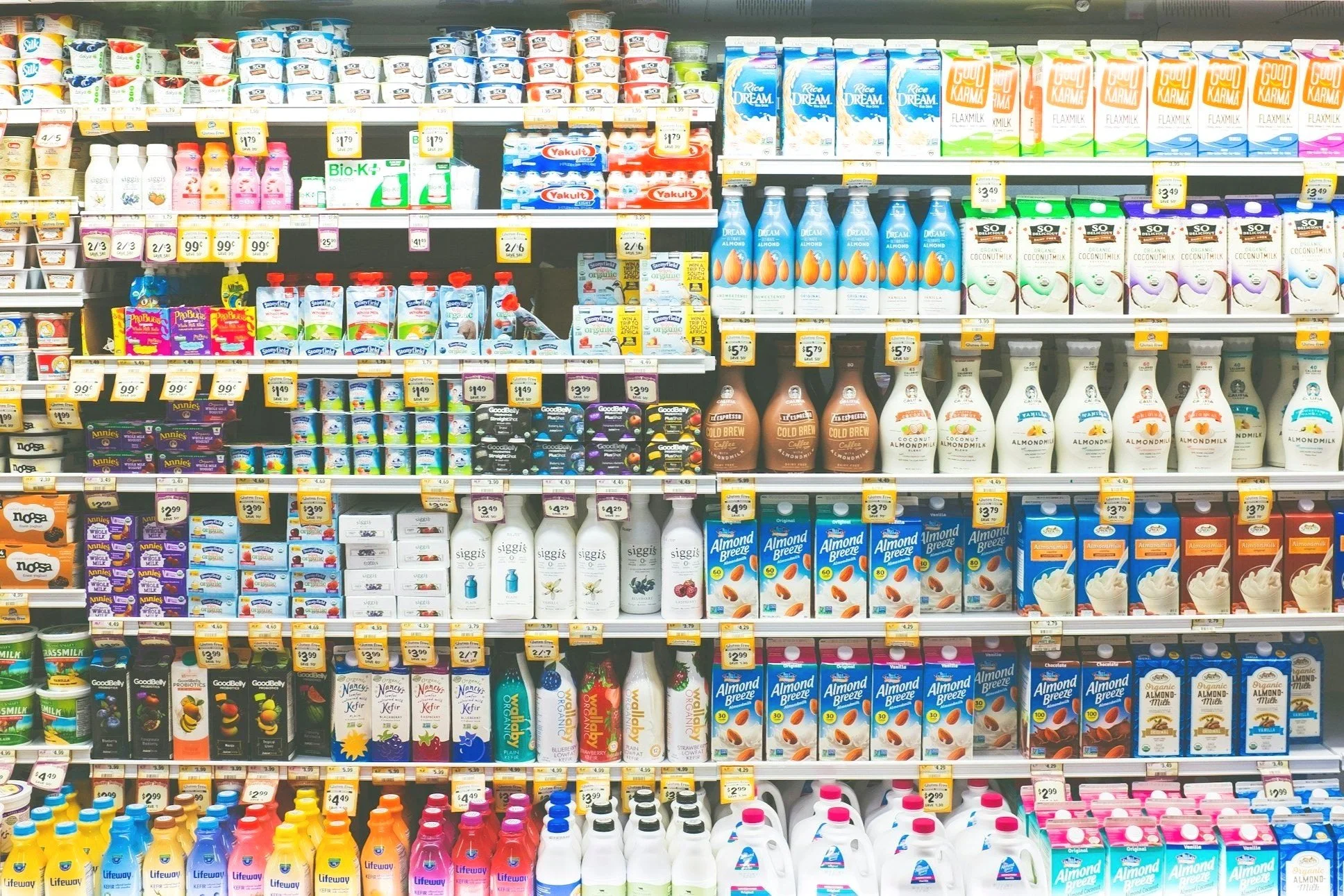
Probiotics tend to get all the attention - and for good reason. These are the live, beneficial bacteria that actually populate your gut. When consumed regularly, probiotics work by competing with bad bacteria for space and nutrients. They also enhance nutrient absorption and bowel regularity, while reducing inflammation and calming the immune system by producing beneficial metabolites (like postbiotics!)
Common food sources include:
Yogurt and kefir (look for live cultures!)
Kimchi, sauerkraut, and miso
Probiotic supplements with strains like Lactobacillus and Bifidobacterium
Probiotics have also been shown to improve IBS and IBD symptoms, prevent antibiotic-associated diarrhea, and support mood and cognition via the gut-brain axis.
Because everyone’s microbiome is unique, finding the right probiotic can take a little trial and error. But once you find what works, the results can be transformative.
I personally use this one by Dr. Ohhira’s brand because it’s shelf-stable, multi-strain, and includes prebiotics + postbiotics for maximum absorption.
Don’t forget to track your progress!
Download FREE The Gut + Mood Tracking Toolkit
→ Uncover patterns
→ 30-day gut symptom + mood tracking log
→ Downloadable + Printable PDF
3 - Postbiotics
If prebiotics are the food and probiotics are the workers, postbiotics are the results of their labor.Postbiotics are the bioactive compounds created when probiotics ferment prebiotics. These include:
Short-chain fatty acids (SCFAs)
Enzymes and peptides
Vitamins (like B12 and K)
Antioxidants
Cell wall fragments (like muramyl dipeptides)
They act as chemical messengers between your gut microbes and your body - helping to regulate not just digestion, but also metabolism, blood sugar, mood, and cognitive function.Though they’re not alive like probiotics, postbiotics deliver powerful health benefits by
Strengthening the gut lining
Reducing inflammation
Boosting antioxidant status
Supporting immune response
Sending calming signals to the brain and nervous system
Research into postbiotics is still emerging, but studies are already showing promise in treating gut inflammation, insulin resistance, allergies, and even neurological disorders.
Why These Three Work Best Together
Each of these players — prebiotics, probiotics, and postbiotics — supports your gut in a different way. But the magic happens when they work together.
To recap:
Prebiotics feed and strengthen your good gut bacteria.
Probiotics populate your microbiome with helpful strains.
Postbiotics communicate with your body to calm inflammation, support immunity, and promote healing.
It’s a full-spectrum approach to gut health that goes far beyond just taking a probiotic pill. When you nourish your gut from multiple angles, you’re not just improving digestion…you’re supporting your mood, energy, skin, immunity, and hormone balance too.
Final Thoughts
You don’t need to overhaul your entire life overnight. Start small. Add prebiotic-rich foods to your meals. Sip on fermented drinks like kefir or coconut yogurt. Try a trusted probiotic supplement. And most importantly, listen to how your body responds.
Over time, these small changes can lead to massive shifts in how you feel — physically, mentally, and emotionally.
Thanks for reading + see you in the next post!
ready to jumpstart your gut health journey?
The 3-Day Gut Reset
Try my FREE 3-Day Gut Reset Starter Kit — it includes calming recipes, journal prompts, and simple tips to get your gut back on track.

want recipes?
Looking for real recipes that make getting your plants easy + delicious? Try the 30 Days of Gut-Healthy Soups Recipe Book — packed with goodness in one new recipe for every day of the month!
READ MORE ON THE BLOG
⬇




I am not a medical professional, nor do I claim to be. The information provided is not intended to be a substitute for medical treatment, but for educational purposes only. Please consult your medical care provider before using herbal medicine, particularly if you have a known medical condition or if you are pregnant or nursing.

Leaky gut can feel confusing, frustrating, and exhausting - but healing doesn’t have to be. This guide explains what leaky gut really is and how to heal it naturally using soothing foods, supportive herbs, and gentle, nervous-system-friendly protocols that work with your body, not against it.