
12 Of The Most Powerful Herbs to Support Gut + Mental Health Naturally
Some of the links in this post might be affiliate links. This means that if you click on the link and make a purchase, I’ll receive a small commission – at no extra cost for you, which helps me cover the costs for this blog.

If you’re like me, your pantry has slowly but surely become filled with herbs you once couldn't pronounce. My herbal journey started during my gastritis diagnosis, when I needed flavor without gut irritation. I love how many herbs don't just taste great — they can actually help heal the gut and soothe the nervous system.
Whether you're an herbal enthusiast or just starting out, this guide highlights 12 powerful herbs that naturally support gut health, digestion, emotional balance, and nervous system resilience.
A quick look at these powerful medicinal herbs:
1.Turmeric
2. Ginger
3. Cinnamon
4. Chamomile
5. Marshmallow Root
6. Holy Basil
7. Garlic
8. Licorice Root
9. Fennel
10. Slippery Elm
11. Ashwagandha
12. Lemon Balm
1 —
Turmeric
Turmeric is a small root herb that has a wide range of uses. This golden nugget boasts powerful anti-inflammatory and antioxidant properties due to curcumin, its active compound.
Regarding gut health, studies suggest that adding turmeric to your routine may alleviate symptoms of digestive disorders such as irritable bowel syndrome (IBS) and inflammatory bowel disease (IBD) by reducing inflammation in the gut lining. Curcumin also protects brain cells from oxidative stress and supports mood stability.
*Tip: combining turmeric intake with black pepper will help absorb the compound curcumin up to 2000x more efficiently!

2 —
Ginger
Ginger has quickly become one of my favorite root herbs to keep around the house; I drink it once every morning and find that it helps soothe digestion after I eat a meal. This is because gingerol, the bioactive compound in ginger, has been shown to stimulate digestive enzymes and enhance gastric motility, which reduces symptoms of indigestion and nausea.
Research shows that ginger may also protect against gastrointestinal disorders by inhibiting the growth of bad gut bacteria such as H. pylori and promoting the growth of good gut bacteria. It also supports vagus nerve activation, helping the body shift into "rest and digest" mode.
You can put it in tea, smoothies, soups, broths, or eat it as is if you like the kick. Try getting it fresh from the farmer’s market, or in freeze-dried/powdered form.

3 —
Cinnamon
More than just a yummy spice sitting in your pantry, cinnamon has tons of health benefits too. Research suggests that cinnamon supplementation may improve insulin sensitivity and glycemic control, making it beneficial for individuals with diabetes or insulin resistance.
Cinnamon is also rich in polyphenols such as cinnamaldehyde and cinnamic acid, which exhibit antioxidant and anti-inflammatory properties that may benefit overall health. Adding cinnamon to your diet can not only enhance the flavor of your meals but also contribute to metabolic health and blood sugar regulation.
Sprinkle cinnamon into your overnight oats or let some steep in your tea for a tasty health boost.

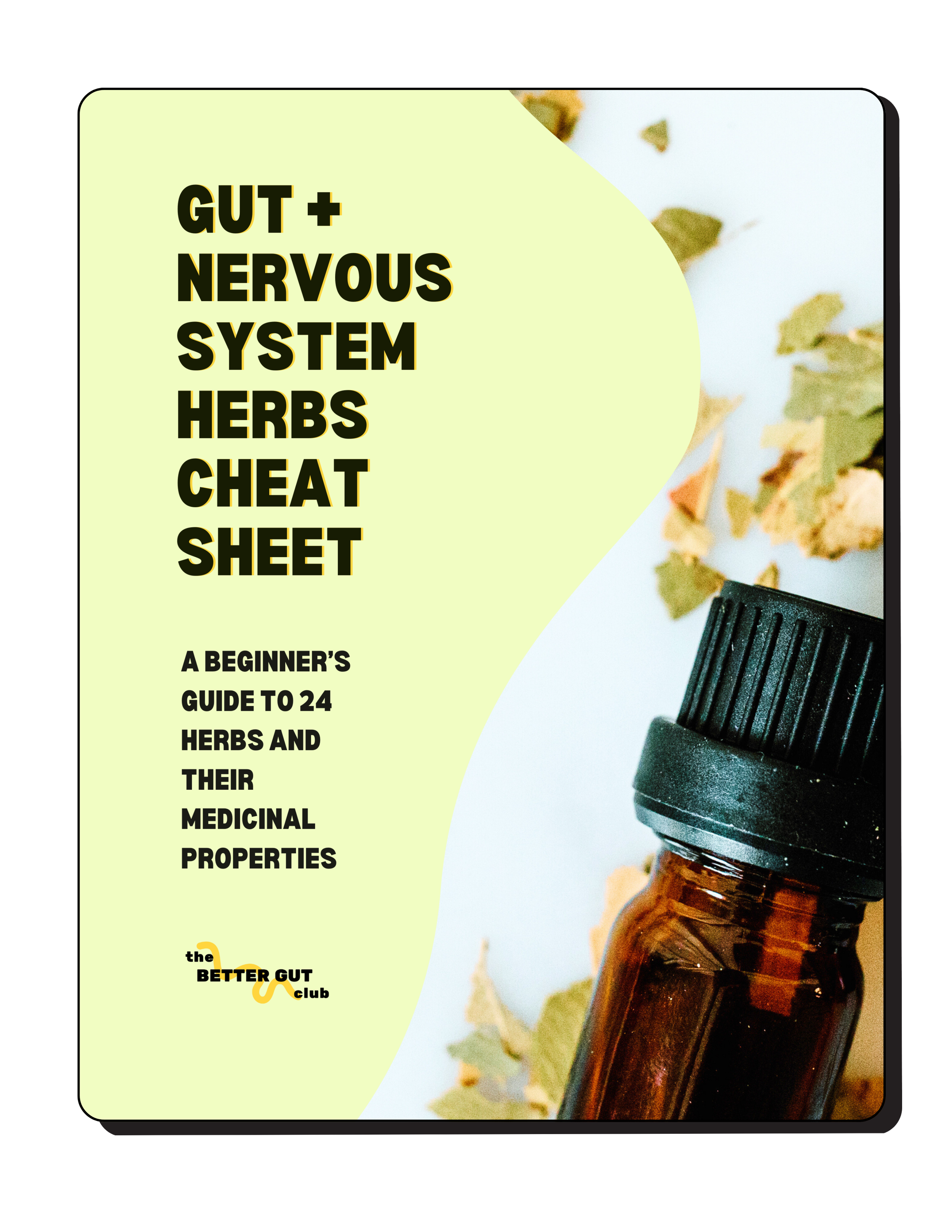
want my free herbal cheat sheet?
Grab your FREE Gut + Nervous System Herb Cheat Sheet with 24 powerful herbs you can start using to soothe your gut and regulate your nervous system today!
4 —
Chamomile
Chamomile is great for calming the nerves and getting me ready to go to sleep. Chamomile contains bioactive compounds like apigenin and bisabolol, which have anti-inflammatory and antispasmodic properties, meaning they help calm muscle spasms (especially within the digestive system).
Research suggests that regularly drinking chamomile tea can help promote relaxation and stress management, plus help ease symptoms of gastrointestinal symptoms like indigestion, bloating, and diarrhea due to its soothing effect on the digestive system.

5 —
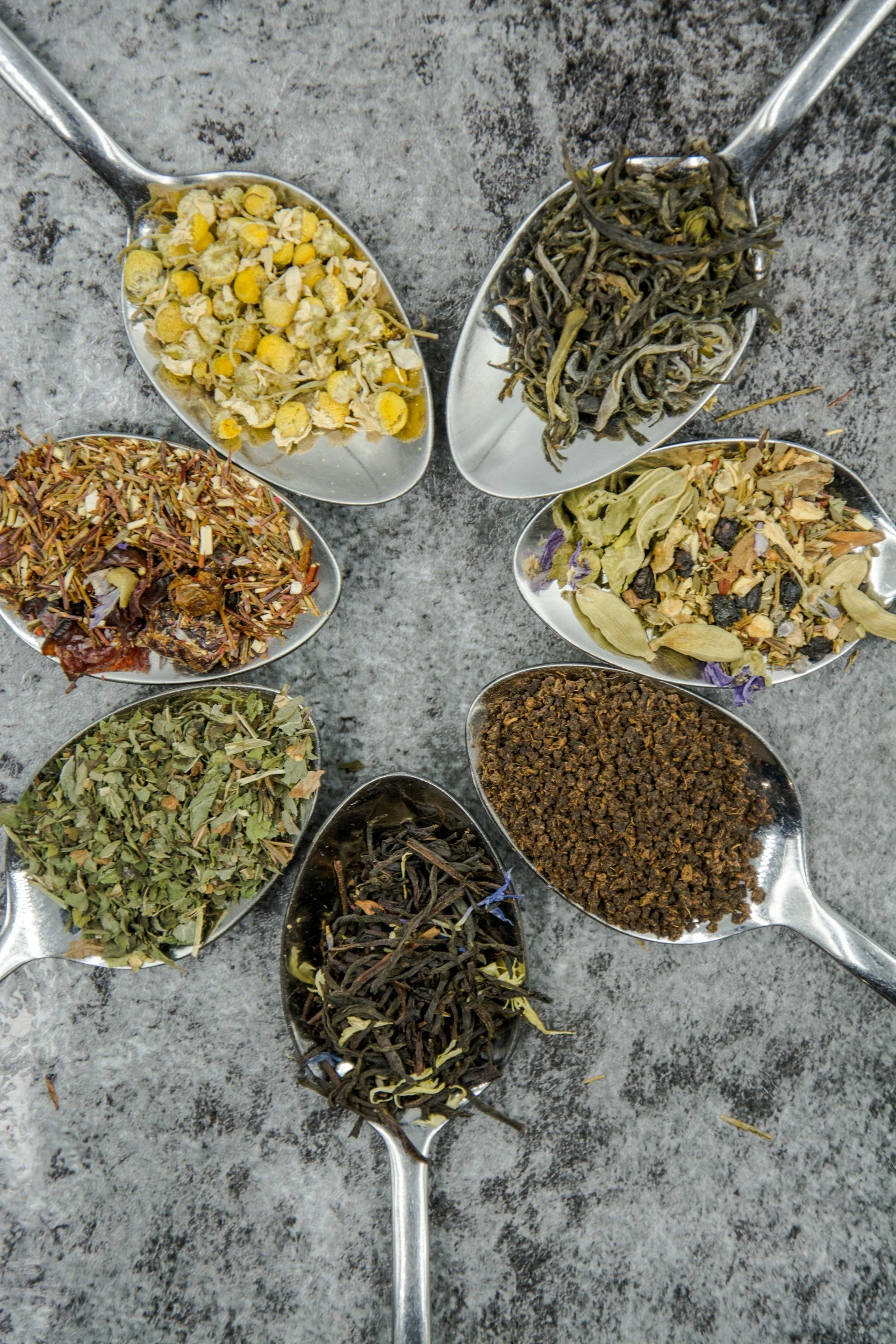
marshmallow root
Marshmallow root is a gentle, mucilaginous herb that has been used for centuries to heal and protect mucous membranes throughout the body. Rich in soothing mucilage, marshmallow root forms a protective layer over the gut lining, helping to calm irritation, repair tissue damage, and support healing in cases of leaky gut, gastritis, or IBS.
By reducing inflammation and soothing internal tissues, marshmallow root indirectly eases the physical symptoms that can contribute to emotional stress and anxiety. Add marshmallow root powder to smoothies, oatmeals, or steep it into a soothing, gut-coating tea for daily digestive support.
6 —
Holy Basil (Tulsi)
In Ayurveda, holy basil is referred to as "the elixir of life." Also known as tulsi, it is an herb that promotes wellness of the entire body. Tulsi is considered an adaptogenic herb due to its ability to help the body adapt to stress and maintain homeostasis.
Studies have shown that consuming holy basil may reduce stress hormone levels and improve resilience to stressors, thereby supporting overall well-being. Incorporating holy basil tea or extracts into your daily routine may help promote stress relief and mental clarity.
Try tulsi tea, tinctures, or add fresh holy basil leaves into your salads or smoothies.
Not sure what’s actually going on with your gut?
Download my FREE Gut Health Symptom Assessment to identify possible imbalances like IBS, leaky gut, gastritis, or SIBO — and take the proper next steps

7 —
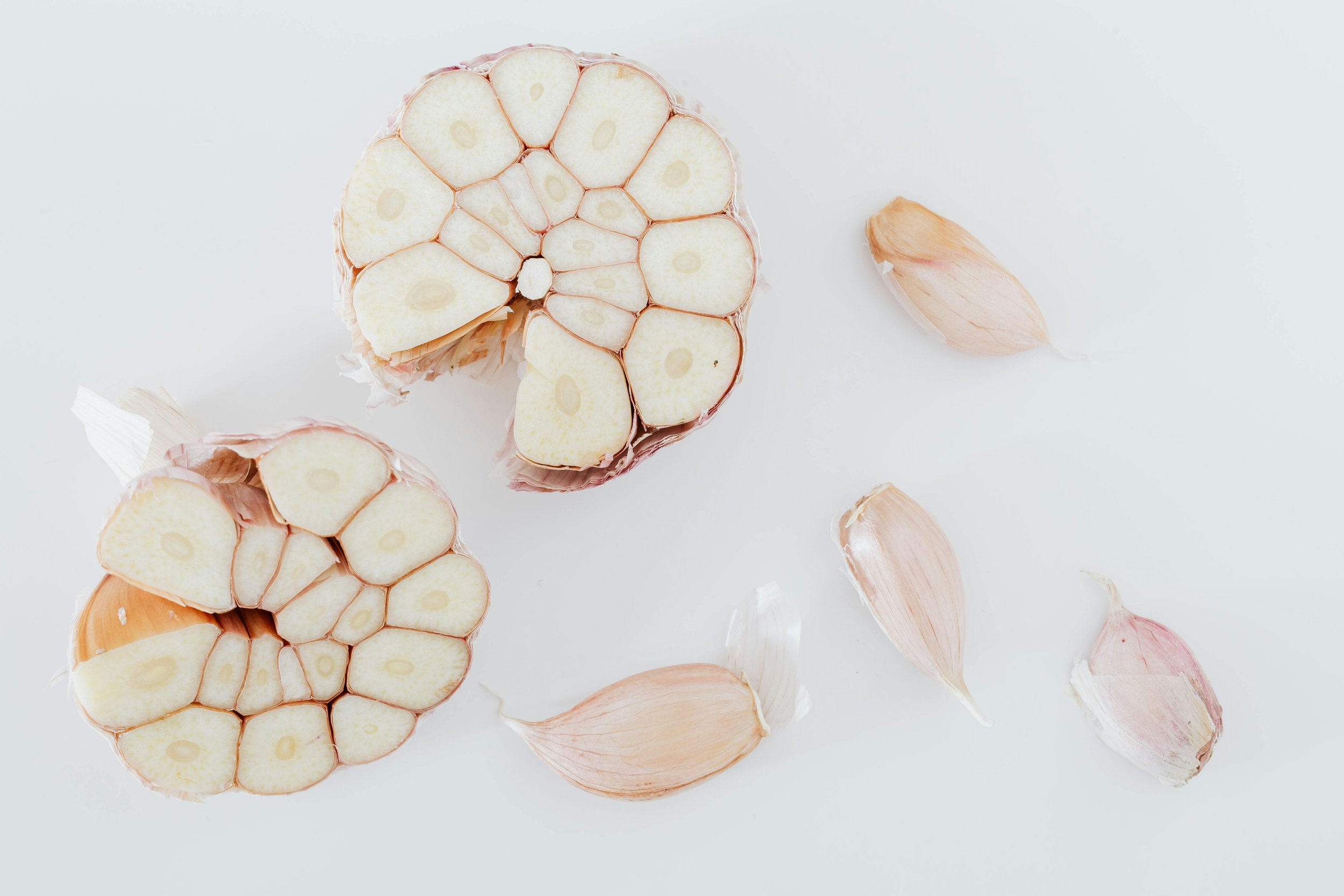
Garlic
Probably already in your kitchen, garlic is rich in bioactive compounds - most notably is allicin, which is formed when garlic is crushed or chopped. Allicin is the reason for many of garlic's health benefits, including its antimicrobial, anti-inflammatory, and antioxidant properties.
According to studies, garlic consumption can help keep levels of bad gut bacteria at bay while promoting the growth of beneficial bacteria, contributing to an overall healthy gut microbiome.
8 —
Licorice Root
If you’re a fan of licorice, you’re in luck - it’s got lots of health benefits! Licorice root contains glycyrrhizin, a compound with anti-inflammatory and immunomodulatory properties that may help alleviate conditions such as bronchitis, gastritis, and jaundice.
Studies have shown that licorice supplementation may help soothe sore throats and reduce symptoms of respiratory infections by promoting mucus secretion and expectoration (in other words, it supports the cleaning out of all the old gunk that’s been clogging up our mucous membranes).
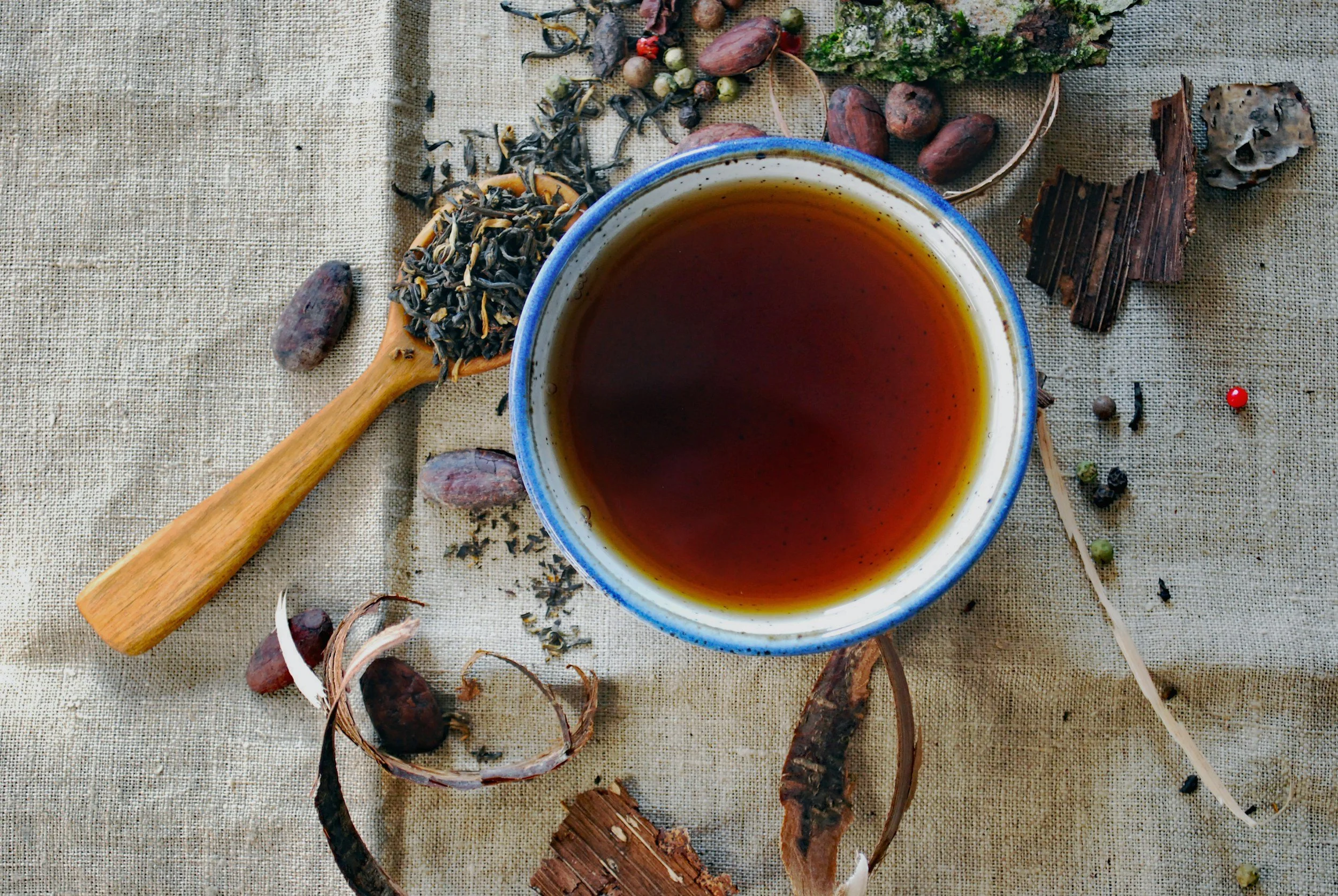
Sipping on licorice root tea or using licorice extract as a natural sweetener may help support respiratory health and alleviate cough and cold symptoms.
9 —
Fennel
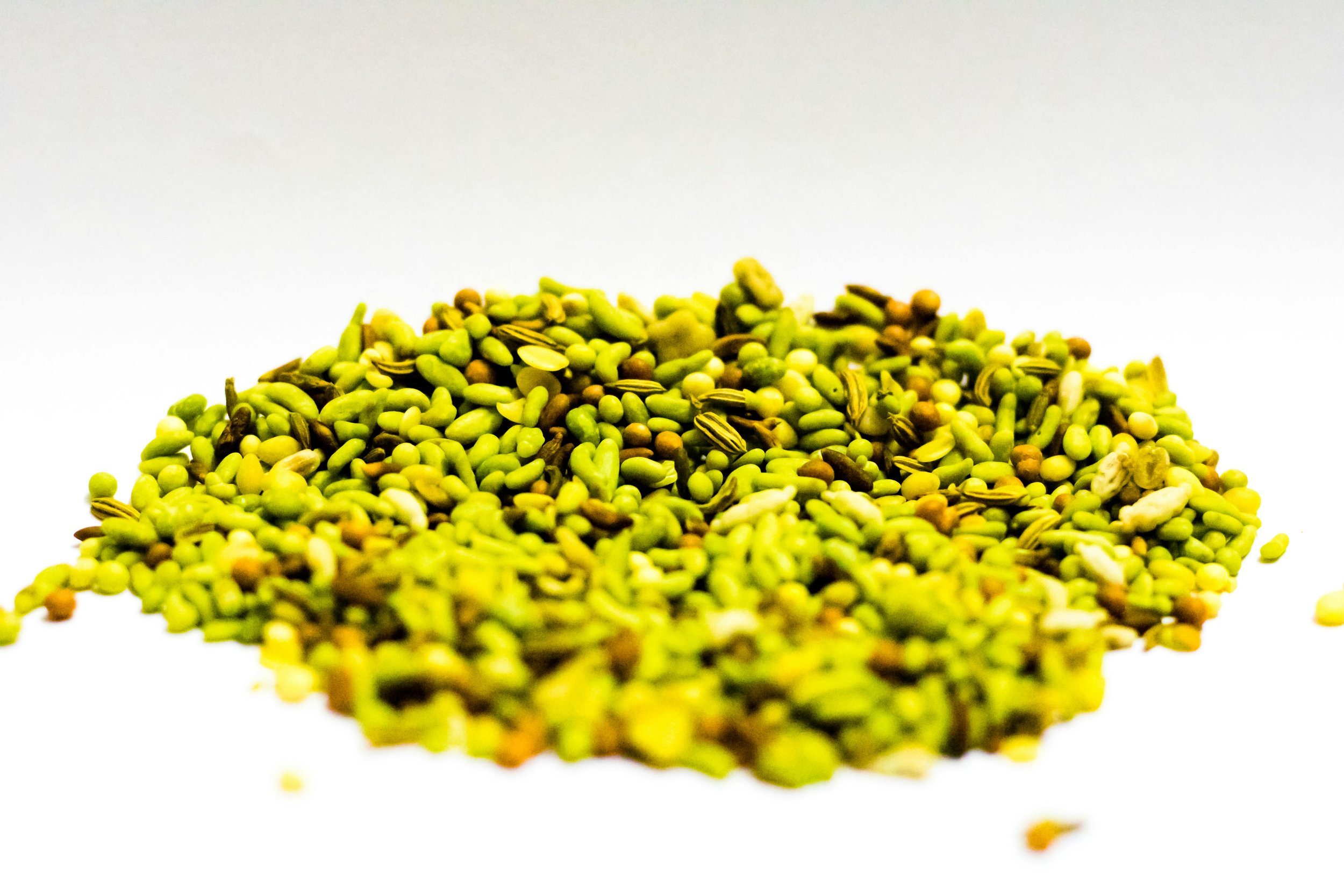
Fennel is low in calories but rich in nutrients, including vitamin C, potassium, fiber, and various antioxidants such as flavonoids and phenolic compounds. Fennel contains volatile oils which have antispasmodic and carminative (ie. anti-gas) properties that can help relieve symptoms of indigestion, bloating, and abdominal discomfort.
Studies have shown that fennel seed supplementation may help relax the gastrointestinal tract and reduce symptoms of irritable bowel syndrome (IBS).Adding fennel seeds into your diet or drinking fennel tea can help promote digestive comfort and alleviate gastrointestinal symptoms.

Discover the link between stress, emotions, and the state of your digestive health!
10 -
slippery elm
Slippery elm bark has been revered in Native American and traditional medicine for its remarkable ability to soothe, protect, and nourish the digestive tract.
When mixed with water, slippery elm creates a slick, gel-like substance that coats the stomach and intestinal walls, offering natural protection against inflammation, ulcers, and irritation. It’s a must-have for healing the gut lining.
Physical gut discomfort often leads to emotional stress. By soothing the gut lining, slippery elm can help create a calmer internal environment that supports overall nervous system regulation. You can blend slippery elm powder into warm water with a pinch of cinnamon for a simple, effective gut tonic.
11 —
Ashwagandha
Ashwagandha has gained some traction as a popular adaptogenic herb, and there are tons of products out there on the market to prove it. It contains withanolides, compounds with anti-stress and neuroprotective properties, that may help reduce cortisol levels and improve resilience to stress.
Ashwagandha supplementation has shown in studies to help reduce symptoms of anxiety and depression by modulating neurotransmitter levels and enhancing mood regulation.
Adding ashwagandha powder into your drinks or taking ashwagandha supplements may help promote stress relief and support overall mental well-being.
12 —
lemon balm
Lemon balm is a bright, lemony herb that has long been cherished for its gentle yet powerful effects on both digestion and the nervous system.
Lemon balm helps relax the muscles of the digestive tract, reducing bloating, cramping, and gas. It’s particularly helpful for those whose gut symptoms worsen with anxiety or stress. Rich in compounds like rosmarinic acid, lemon balm acts as a natural anxiolytic, calming the mind, uplifting mood, and supporting deeper, more restful sleep.
Brew fresh or dried lemon balm leaves into tea, or add a few drops of tincture into your evening water ritual to promote a calm body and mind
FINAL THOUGHTS
When it comes to healing the gut and supporting your nervous system, nature offers an incredible pharmacy of gentle, effective tools. Integrating herbs like these into your daily life can help create profound shifts over time—with patience, consistency, and compassion.
*Remember, not every person should be taking every herb. These herbs are substances that exert medicinal effects on the body; that means like prescription drugs, there are contraindications and interactions that could lead to adverse effects. You should never blindly consume herbs and should always do so under the consult of a healthcare professional.
want to discover even more healing herbs?
Grab your FREE Gut + Nervous System Herb Cheat Sheet with 24 powerful herbs you can start using today! →

Want a full 14-day roadmap with easy, gut-friendly meals?
My 14-Day Gut Reset Recipe Book includes 50+ healing recipes, all designed to calm inflammation and support microbiome diversity.

more on the blog







*I am not a medical professional, nor do I claim to be. The information provided is not intended to be a substitute for medical treatment, but for educational purposes only. Please consult your medical care provider before using herbal medicine, particularly if you have a known medical condition or if you are pregnant or nursing.
